Review: Laundry Day Essentials Washing Machine Design
As an embroidery designer who has spent countless hours digitizing and stitching out thousands of files, I have learned that the most successful designs are often the ones that tell a simple, relatable story. When I first pulled up Laundry Day Essentials Washing Machine in my workspace, I was not looking for complexity. I was looking for clarity. In the world of commercial embroidery and handmade goods, clarity sells. This design, categorized under Illustrations and Graphics, offers a clean vector aesthetic that translates surprisingly well into thread, provided you understand how to manage its linear elements on fabric.
First Impressions and Visual Personality
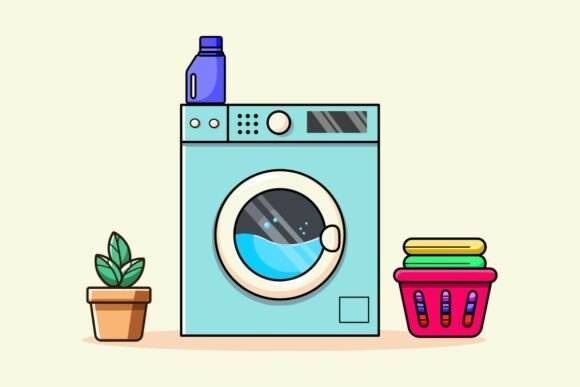
The initial appeal of Laundry Day Essentials Washing Machine lies in its domestic charm. It is not trying to be high-fashion or abstract. Instead, it captures the cozy, routine nature of household chores with a touch of whimsy. The layout features a central washing machine accompanied by basic laundry items, creating a balanced composition that feels complete without being cluttered. For a designer, this balance is crucial. Too many elements compete for attention in a small hoop, but this arrangement allows the eye to rest on the main subject while appreciating the supporting details.
The mood is practical yet inviting. It evokes feelings of organization, cleanliness, and home care. This makes it an ideal candidate for products that celebrate the home environment. Unlike aggressive or overly trendy graphics, this design has a timeless quality. It does not scream for attention; rather, it invites a second look. For Etsy sellers and small shop owners, this subtlety is a strength. It appeals to customers who value functionality and aesthetic harmony in their daily lives.
Real-World Application: The Tote Bag Test
To truly evaluate a design, you must imagine it stitched out. I recently considered using Laundry Day Essentials Washing Machine for a custom order of canvas tote bags for a local laundromat’s promotional giveaway. The concept was to create a "Laundry Day Survival Kit" bag. The design needed to be recognizable from a distance but detailed enough to look professional up close.
In this scenario, the vector nature of the original illustration worked in my favor. The clean lines of the washing machine translated effectively into satin stitches and running stitches, depending on the scale. On a sturdy canvas fabric, the design held its shape beautifully. The thread colors I selected—soft blues, crisp whites, and subtle grays—mirrored the clean vibe of the graphic. The result was a tote bag that felt like a premium, thoughtful gift rather than a cheap promotional item. Customers reacted positively to the relatability of the image. It sparked conversations about laundry hacks and favorite detergents, which was exactly the engagement the client wanted.
Versatility Across Product Lines
Beyond tote bags, this design shows promise in several other areas of custom apparel and home decor. For sweatshirt embroidery, the design can be scaled up slightly to fill the left chest area, providing a cute, understated logo for a cleaning service or a humorous personal statement. For baby embroidery, the soft, rounded edges of the washing machine and laundry items make it suitable for nursery decor, such as pillow covers or blanket accents. The theme of cleanliness and care aligns perfectly with baby products.
For those running a craft business, consider using this as an embroidered patch. Patches are trending, and a laundry-themed patch could be a hit for aprons or denim jackets. The defined borders in the design lend themselves well to the edge finishing required for patches. Additionally, it works well for holiday embroidery gifts, particularly for housewarmings or bridal showers where kitchen and home themes are prevalent.
Technical Considerations for Stitching
While the design is visually appealing, technical execution requires attention to detail. Since Laundry Day Essentials Washing Machine originates as a vector illustration, it likely contains fine lines and small details. In embroidery, these can become problematic if not managed correctly. Here are some practical notes for designers preparing this file for production:
- Stitch Density and Fabric Texture: Check the stitch density carefully. If the design is too dense, it may pucker thin fabrics like cotton tees or linen tea towels. Use a cutaway stabilizer for stretchy fabrics and a tear-away for stable woven fabrics to ensure the design lays flat.
- Small Details and Lettering: If the design includes any tiny text or intricate icons alongside the washing machine, verify that they are legible at your intended size. Small details can get lost in the fabric texture or merge together if the stitch count is too high for the resolution.
- Hoop Size Constraints: Ensure the design fits comfortably within your hoop size without touching the edges. Leaving a margin prevents hoop burns and allows for proper stabilization. For caps or curved surfaces, you may need to resize the design to avoid distortion.
- Thread Color Contrast: Test the design on both light and dark fabrics. On dark fabric, you may need to add an underlay or adjust thread colors to ensure the washing machine stands out. A white machine on a navy blue shirt needs crisp, bright threads to maintain its clean look.
Enhancing Product Value and Brand Consistency
Using a cohesive design like Laundry Day Essentials Washing Machine can significantly enhance the perceived value of your handmade product. Consistency in design assets helps build brand recognition. If you are an Etsy seller specializing in home goods, incorporating this illustration into your product line creates a unified aesthetic. It signals professionalism and attention to detail.
Furthermore, the relatability of the design fosters customer trust. Buyers are more likely to engage with products that reflect their own lives. A personalized gift featuring this design feels thoughtful because it acknowledges the recipient's daily routine. For digital product sellers, offering this as part of a bundle with other household illustrations can increase average order value. Always remember to check the licensing terms before selling finished items or digital embroidery files. Commercial embroidery projects require clear rights to use the artwork.
Final Verdict for Designers
In conclusion, Laundry Day Essentials Washing Machine is a solid addition to any designer’s library of everyday illustrations. It is not just a graphic; it is a storytelling tool that connects with consumers on a personal level. Its success in real-world applications depends on your ability to translate its vector clean lines into effective stitch paths. By paying attention to stabilizer choice, thread contrast, and scale, you can turn this simple illustration into a standout feature on tote bags, apparel, and home decor.
Before committing to a large production run, always stitch out a test sample on scrap fabric. This allows you to troubleshoot any issues with stitch density or registration. Once perfected, this design can become a staple in your small shop product lineup, offering a blend of practicality and charm that resonates with a wide audience. Whether you are creating a custom apparel line or a set of personalized gifts, this design offers the versatility and visual appeal needed to succeed in the competitive handmade market.