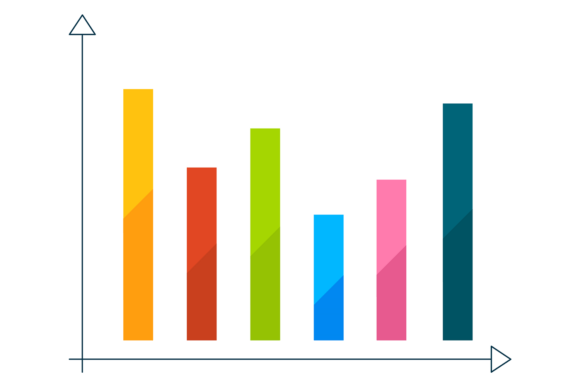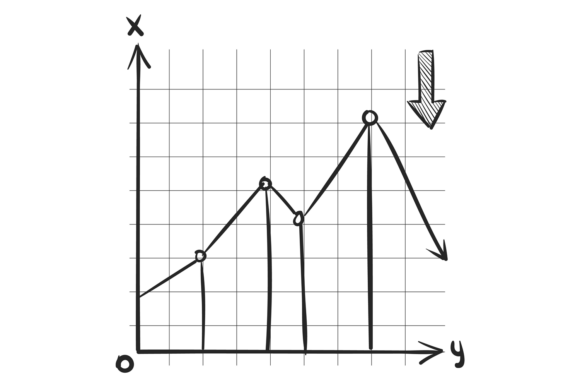
Reviewing Circular Chart. Progress Graph. Business for Embroidery
As a designer who spends more time staring at stitch simulations than most people care to admit, I approach every new machine embroidery design with a healthy dose of skepticism. We have all been there: you download a sleek vector graphic, convinced it will translate perfectly onto fabric, only to find the details vanish under the needle or the density turns your soft cotton into cardboard. Today, I am breaking down my experience evaluating the Circular Chart. Progress Graph. Business asset. While this item is technically listed under Illustrations and Graphics, my job is to determine if it holds up as a viable embroidery project for real-world applications.
The Visual Personality and First Impressions
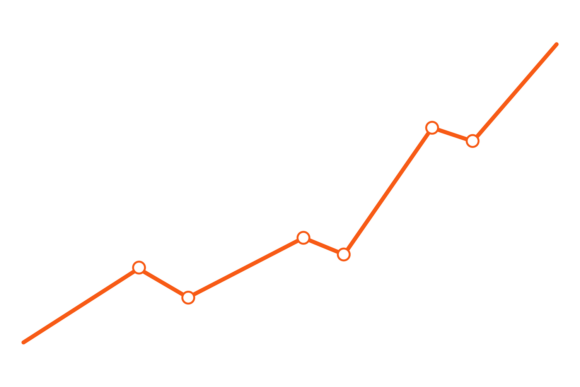
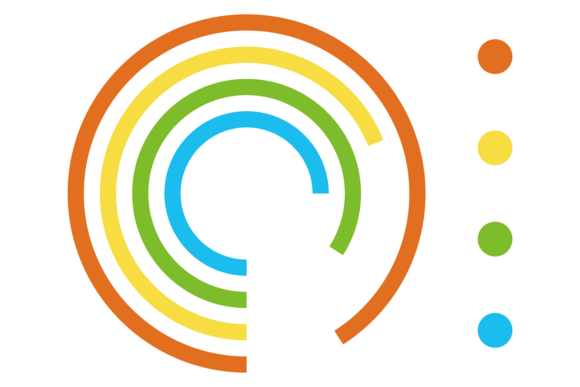
At first glance, the Circular Chart. Progress Graph. Business exudes a sense of modern professionalism. The circular layout is inherently balanced, making it an excellent candidate for placement on chest pockets, cap fronts, or the center of tote bags. Unlike complex scenic illustrations that rely on thousands of color changes, this design relies on geometry and negative space. For an embroiderer, this is often a good sign. It suggests a cleaner execution where the focus remains on the shape and the message rather than fighting against chaotic stitch paths.
The mood it creates is one of growth, achievement, and forward momentum. This makes it a natural fit for corporate gifts, startup merchandise, or even personal items celebrating a milestone, like finishing a degree or hitting a fitness goal. However, because the source files are provided as EPS, JPG, SVG, and transparent PNG, we are not starting with a native embroidery file. This is a crucial distinction. You are looking at a high-quality graphic that requires digitizing or careful conversion before it hits the hoop.
Real-World Application: The Custom Tote Bag Scenario
To truly test the viability of this design, I imagined a specific client request: a set of branded tote bags for a local business conference. The client wanted something that looked sharp but didn't feel heavy. The Circular Chart. Progress Graph. Business seemed perfect for this. Its isolated nature on a white background in the preview means it has clear boundaries, which helps when planning the hoop size and placement.
If I were stitching this onto a canvas tote bag design, the circular shape would sit beautifully without needing excessive underlay if digitized correctly. The progress graph element implies movement, which draws the eye. On a finished product, this kind of clarity builds customer trust. It tells the buyer that the brand pays attention to detail. For an Etsy seller or small shop owner, offering a "Goal Tracker" embroidered patch or a direct-to-garment style embroidery on a sweatshirt using this motif could be a unique selling point. It moves away from generic floral patterns and taps into the productivity and self-improvement niche.
Adapting Graphics for Stitch
Since this asset is a graphic template, the transition to thread requires strategic thinking. If you are using software to auto-digitize the SVG, you must be wary of how the software interprets the gradients or solid blocks of color found in the original illustration. A solid fill in a PNG might translate to a dense fill stitch that puckers lightweight fabric. Instead, I recommend manually assigning stitch types. Consider using a clean satin stitch for the outer ring of the circle to give it a premium, rope-like texture, while using a lighter density fill or even a running stitch pattern for the inner graph elements to keep the hand of the fabric soft.
For those creating an embroidered patch, this design is ideal. The circular boundary acts as a natural merrow edge guide. You could create a series of patches representing different levels of progress—25%, 50%, 75%—which would be fantastic for loyalty programs or scout-style achievement badges. This adds significant value to the finished product, transforming a simple graphic into a collectible item.
Critical Considerations for Fabric and Texture
While the design is strong, context is everything. Where you place the Circular Chart. Progress Graph. Business matters immensely. On a structured item like a cap or a thick hoodie, the design will pop. However, caution is needed when working with textured fabrics like waffle knits or looped towels. The fine lines of a progress graph can get lost in the texture of the fabric itself. If the graph lines are too thin, they may break up visually against a rough fabric texture.
Furthermore, consider the stitch density. If the original graphic has large solid areas, stitching them as solid blocks on a stretchy fabric like a t-shirt or baby clothes is a recipe for distortion. For baby embroidery or delicate apparel, you must reduce the density and ensure you are using a high-quality cut-away stabilizer to prevent the design from pulling the garment out of shape after washing. Dark fabrics present another challenge; since the source is isolated on white, you must ensure your thread colors have enough contrast. A light grey graph on a navy shirt might look sophisticated on screen but invisible from three feet away.
Technical Checklist for Designers
Before committing this design to a client's order or listing it as a small shop product, run through this practical checklist:
- Test on Scrap: Always stitch a sample on the exact same fabric weight and type you intend to use for the final item.
- Check Contrast: View your digitized version in black and white to ensure the graph elements are distinct without relying on color.
- Verify Licensing: Since this is sold as a graphic asset (EPS/SVG), confirm the license terms regarding commercial embroidery. Some graphic licenses do not automatically cover physical goods for resale.
- Inspect Small Details: Zoom in on the digitized file. Are the tie-offs secure? Are there unnecessary jumps that will add trim time?
- Hoop Compatibility: Ensure the circular design fits within your available hoop sizes without needing to re-hoop, which can cause alignment issues.
Enhancing Brand Consistency and Value
In the world of commercial embroidery, consistency is key. The geometric precision of the Circular Chart. Progress Graph. Business allows for easy replication across different products. Whether it is on a left-chest logo position of a polo shirt or a large back print on a jacket, the shape remains recognizable. This aids in brand consistency and professional presentation.
For creative entrepreneurs selling digital embroidery files or finished handmade goods, this design offers versatility. It can be marketed as a "Year in Review" gift, a financial goal tracker, or a visual representation of personal growth. The simplicity of the design means it appeals to a broad audience, from corporate clients to individual hobbyists looking for meaningful personalized gifts.
Ultimately, the Circular Chart. Progress Graph. Business is a robust starting point for a variety of projects. It bridges the gap between data visualization and textile art. However, its success relies entirely on the skill of the person behind the machine. By respecting the limitations of thread and fabric, and by carefully adapting the graphic elements into stitch-friendly formats, you can turn a simple illustration into a high-value, tactile piece of art that resonates with customers and stands the test of time.