Scientist in Chemistry Research Lab Graphics & Illustrations
As a digital publisher and blog designer who has spent years curating visual assets for high-traffic content sites, I know that the right image does more than fill space. It anchors the reader’s attention, establishes authority, and drives clicks. When I first opened the files for Scientist in Chemistry Research Lab, my immediate reaction was one of relief. In a market saturated with generic stock photography that often feels sterile or overly staged, this asset offers a refreshing blend of clarity and approachability. It is not just a picture; it is a strategic tool for modern editorial design.
First Impressions: Clarity Meets Modern Aesthetics
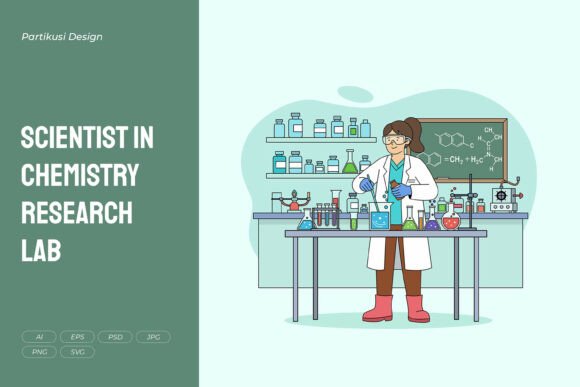
The initial visual impact of this piece is defined by its clean lines and balanced composition. The illustration features a female scientist engaged in active research within a contemporary laboratory setting. What stands out most is the flat vector style, which avoids the visual noise common in complex 3D renders. This choice creates a mood that is professional yet inviting. It feels educational without being dry, and modern without being trendy to the point of dating quickly.
For publishers, this aesthetic is crucial. It signals to the reader that the accompanying content is well-researched and trustworthy. The color palette, typically found in such Illustrations, tends to lean into cool blues, crisp whites, and accent colors that highlight scientific equipment. This creates a sense of calm precision. Whether you are running a science education blog, a health and wellness site, or a STEM-focused newsletter, this visual language supports a narrative of expertise and innovation.
Strategic Applications in Content Publishing
The true value of a graphic design asset lies in its versatility. I tested Scientist in Chemistry Research Lab across several real-world publishing scenarios to see where it performed best. Here is how it fits into a typical content workflow:
- Blog Featured Images: The horizontal balance of the illustration makes it ideal for hero sections. It provides enough negative space to overlay bold headlines without obscuring the subject.
- Pinterest Pins: Vertical crops of this image work exceptionally well for Pinterest. The clear focal point—the scientist and her equipment—draws the eye even at smaller sizes, improving click-through rates for educational guides or DIY science experiments.
- Newsletter Headers: For email marketing, especially in the education or tech niches, this image adds a polished look to the top of your broadcast. It breaks up text-heavy layouts and reinforces brand identity.
- Digital Products and Lead Magnets: If you are creating a digital guide on chemistry basics, a printable worksheet, or an eBook cover, this illustration serves as a perfect central element. It elevates the perceived value of the digital download.
- Social Media Graphics: The flat design style integrates seamlessly into Instagram carousels or LinkedIn posts. It allows for easy annotation, letting you add arrows, labels, or key takeaways directly over the image.
Enhancing Visual Hierarchy and Brand Trust
In content marketing, visual hierarchy dictates how a user consumes information. A cluttered image competes with your headline; a clean one supports it. Scientist in Chemistry Research Lab excels here because the vector lines are distinct and uncluttered. This allows designers to place typography alongside the image without sacrificing readability.
When used consistently, such design assets contribute to a cohesive brand identity. If your website focuses on science, technology, or education, using a unified style of Graphics helps readers recognize your content instantly. It builds a subconscious association between your visual style and the quality of your information. This is particularly important for affiliate marketing sites, where trust is the primary currency. A professional, custom-looking illustration suggests that the publisher cares about details, which translates to higher confidence in product recommendations.
Where to Use It—and Where to Be Careful
While this asset is versatile, it is not a one-size-fits-all solution. Understanding its limitations is key to effective web design.
Best Use Cases:
- Hero Images and Article Thumbnails: The detail level is perfect for medium-to-large displays where users can appreciate the nuances of the laboratory environment.
- Category Visuals: Use it to represent sections like "Lab Safety," "Chemistry Basics," or "Women in STEM." It acts as a visual signpost for navigation.
- Content Upgrades: It works beautifully in PDFs and checklists where print quality matters. Vector-based illustrations scale infinitely without pixelation.
Use with Caution:
- Small Mobile Thumbnails: On very small screens, intricate details in the background equipment might blur. Ensure the main subject remains visible when scaled down.
- Text-Heavy Layouts: Avoid placing dense paragraphs directly over the illustration. Use solid color blocks or overlays if text placement is necessary.
- Corporate or Minimalist Niches: If your brand relies on ultra-minimalist photography or stark black-and-white aesthetics, this colorful vector style might clash. Always test against your existing small business branding guidelines.
Practical Publisher Notes for Implementation
Before deploying Scientist in Chemistry Research Lab on a live site, I recommend a few technical checks to ensure optimal performance and legal safety.
First, test the image across devices. Preview it on a desktop monitor, a tablet, and a smartphone. Check how it looks as a thumbnail in your blog archive. Does the scientist’s face remain clear? Is the contrast sufficient against your background color?
Second, experiment with typography. Place the image beside different font styles. It pairs surprisingly well with clean sans serif fonts for a modern tech look, but also holds its own against elegant serif fonts for a more academic feel. Avoid overly decorative script fonts that might compete with the detailed lines of the vector art.
Third, manage your file sizes. While vector files are scalable, web formats like PNG or JPG need compression. Use tools to reduce file size without losing quality to maintain fast load times, which is critical for SEO and user experience.
Finally, always confirm licensing. Ensure you have the appropriate commercial license if you are using this asset on monetized websites, in paid courses, or for client work. Most assets from a creative marketplace come with clear terms, but double-checking prevents legal issues down the line.
Final Verdict for Digital Creators
In the crowded landscape of online content, standing out requires more than just good writing. It demands a visual strategy that communicates value instantly. Scientist in Chemistry Research Lab is a strong contender for any publisher looking to upgrade their blog graphics. It offers a professional, modern, and engaging visual that supports educational and scientific narratives effectively.
Whether you are designing a Canva template for social media, crafting a website header for a new course, or building a library of printable design resources, this illustration provides the polish needed to elevate your brand. It is a thoughtful addition to any designer’s toolkit, bridging the gap between artistic appeal and functional communication. For those serious about commercial design and building a trusted digital presence, this asset delivers both style and substance.